

When I first received the opportunity to connect with Angelina Acevedo of Path 2 Potential, I knew this was a conversation I wanted to have here at Greatful Moments. Families often hear words like autism therapy, ABA, Medicaid, reimbursement, private equity, billing, and healthcare policy. But behind every one of those words is a child and a family trying to find the support they need.
According to the CDC’s latest Autism and Developmental Disabilities Monitoring Network data, approximately 1 in 31 eight-year-old children were identified with autism across the 16 monitored U.S. communities included in the 2022 surveillance data. At the same time, families can face challenges finding providers, maintaining consistent therapy, navigating insurance and Medicaid, and understanding how changes in reimbursement may affect the services available to them. That is why I wanted to hear directly from someone who works within the autism-services field.
For this Greatful Moments interview, Angelina Acevedo shares her perspective on the changing autism therapy landscape, Medicaid reimbursement, provider challenges, accountability, and what she believes families and policymakers should understand. You can learn more about Path 2 Potential and the autism and ABA services the organization provides to families in several states.
Meet Angelina Acevedo
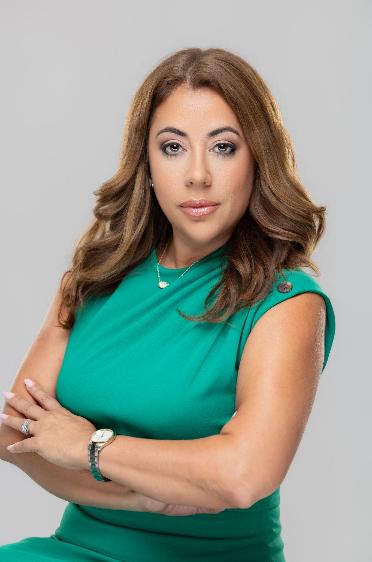
Angelina Acevedo is the Co-Founder and Chief Operating Officer of Path 2 Potential, an organization providing autism and ABA services. According to Path 2 Potential, Angelina previously spent more than seven years as an Operations Manager at the Center for Autism and Related Disorders before co-founding Path 2 Potential. Her work has included administration, education, operations, quality assurance, and supporting the systems that allow clinicians to provide services to children and families.
Path 2 Potential currently provides in-home autism and ABA programs in New York, New Jersey, Arizona, and Florida, along with remote teletherapy and additional services such as parent training, social-skills groups, and BCBA supervision.
I asked Angelina five questions about what she is seeing from inside the autism-services industry.
Our Conversation With Angelina Acevedo
1. From your perspective as an autism-services provider, what are the biggest changes you are seeing in the industry as investment, consolidation, and demand for autism services continue to grow?
Angelina Acevedo: The biggest change I see is the growing gap between families’ need for autism services and providers’ ability to deliver them sustainably. More families are seeking care, while reimbursement pressures and staffing challenges make it harder to meet that demand.
At the same time, private equity investment and consolidation are changing the industry. Investment can help expand access, but I worry when financial targets take priority over clinical judgment, staff support, and relationships with families. Children need consistent, individualized care, and providers need the resources to deliver it.
As the co-founder and CEO of Path 2 Potential, I believe growth should be measured by the difference we make in families’ lives—not simply by the number of locations we open or billable hours we generate.
2. What do reimbursement changes such as New York’s October 1 Medicaid reduction mean in practical terms for providers, therapists, and the families who depend on Medicaid-funded services?
Angelina Acevedo: In practical terms, reimbursement reductions can make it much harder to recruit and retain experienced staff. In my experience recruiting in New York, experienced Registered Behavior Technicians often seek $30 to $35 an hour. Their wages are only one part of the cost of providing care. Providers also pay payroll taxes, insurance, training, clinical supervision, administrative staff, and rent.
When reimbursement falls, those expenses do not fall with it. Providers may face difficult decisions about accepting new Medicaid patients, maintaining locations, or continuing certain services.
For families, that can mean longer waiting lists, fewer providers, and disruptions in relationships their children have worked hard to build. My concern is that a rate reduction on paper can become a loss of access in a child’s everyday life.
New York State Medicaid confirmed that, effective October 1, 2026, the fee paid for ABA services provided by unlicensed individuals or technicians under CPT code 97153 was reduced to $9.63 per unit in its fee-for-service program.
3. What should parents know about the difference between legitimate efforts to control Medicaid spending and the potential for cuts or policy changes to affect access to necessary services?
Angelina Acevedo: Parents should know that accountability and access to care must go hand in hand. Medicaid dollars should be spent responsibly, treatment should be medically necessary, and providers should be held accountable for inappropriate billing.
But broad reimbursement cuts can affect responsible providers alongside those who misuse the system. A service may remain covered on paper while becoming increasingly difficult to find because providers cannot afford to offer it.
I support identifying and addressing abuse directly. Families should be part of that process: Were the billed services actually delivered? Was the therapist present and engaged? Were parents involved in setting meaningful goals? Those questions help protect both public resources and the children who depend on them. Families should not lose necessary care because of another provider’s misconduct.
4. What can policymakers do to strengthen oversight and address inappropriate billing while still protecting access to care for children and families who genuinely need these services?
Angelina Acevedo: Policymakers should combine targeted billing audits and clinical reviews with direct feedback from families. Parents can offer valuable insight into whether sessions occurred, whether staff were consistent, and whether treatment is helping their child in everyday life.
Family feedback should complement clinical documentation and billing records. Progress looks different for every child, and slower progress alone does not mean a provider is doing something wrong.
Oversight should examine whether services are delivered as billed, treatment plans are individualized, supervision is appropriate, and goals are meaningful to the child and family. Policymakers should also monitor waiting lists and provider availability so they can recognize when a policy is creating barriers to care.
We need a system that identifies misconduct while supporting providers who deliver ethical, necessary services.
5. Looking ahead, what would you like parents and policymakers to understand about the future of autism therapy and the people providing that care?
Angelina Acevedo: I want them to understand that, for children who need it, individualized ABA therapy can make a meaningful difference in communication, safety, daily living skills, and participation in family and community life.
I have seen children who previously were not speaking say their first words. I have seen families gain new ways to understand and support their children. Those moments are deeply personal, and they remind me why this work matters.
Every child’s future is different. Some will live independently, and others will need ongoing support. Our responsibility is to help each child build skills, exercise choice, and experience the best possible quality of life.
Children grow into adults, so policymakers must consider both today’s treatment needs and tomorrow’s support needs. Reducing access now may increase pressure on families and public systems later. Investing in qualified staff, ethical care, and sustainable reimbursement is an investment in children’s futures—and in the families and communities around them.
As I read Angelina’s answers, one thing kept coming back to me: there are real children and families behind these numbers and policies. It is easy to look at Medicaid spending, reimbursement rates, billing practices, staffing, and the growth of the autism-services industry as numbers on a page. But for a parent trying to find therapy for a child, the issue can be much more personal.
It can mean finding someone who has an opening. It can mean trying to keep a therapist who has developed a relationship with your child. It can mean wondering what happens if a provider can no longer afford to accept your insurance or Medicaid. And it can mean trying to understand a healthcare system that can feel overwhelming even when you are already doing everything you can for your child.
I also appreciated Angelina’s emphasis on accountability and access being able to exist together. Medicaid dollars should be used responsibly. Families deserve providers who are doing what they say they are doing, and appropriate oversight matters. At the same time, families should not have to carry the consequences of problems they did not create.
That balance is an important part of this conversation. The CDC’s data remind us that autism affects a significant number of children and families across the country. The question of how communities provide appropriate services, how families find those services, and how those services are funded is therefore much bigger than a single reimbursement change.
For me, this conversation is ultimately about remembering the people behind the policy. A child is not a billing code. A family is not a statistic. And a therapist is not simply another expense on a spreadsheet. There are people trying to help children communicate, learn, become more independent, participate in their families and communities, and build lives that are meaningful to them.
Those conversations are worth having. Thank you to Angelina Acevedo for taking the time to answer our questions and share her perspective with Greatful Moments. To learn more about Angelina’s work and Path 2 Potential, visit Path 2 Potential.
GreatfulMoments.com
Thankful. Grateful. Blessed.
Thank you,
Glenda, Charlie and David Cates