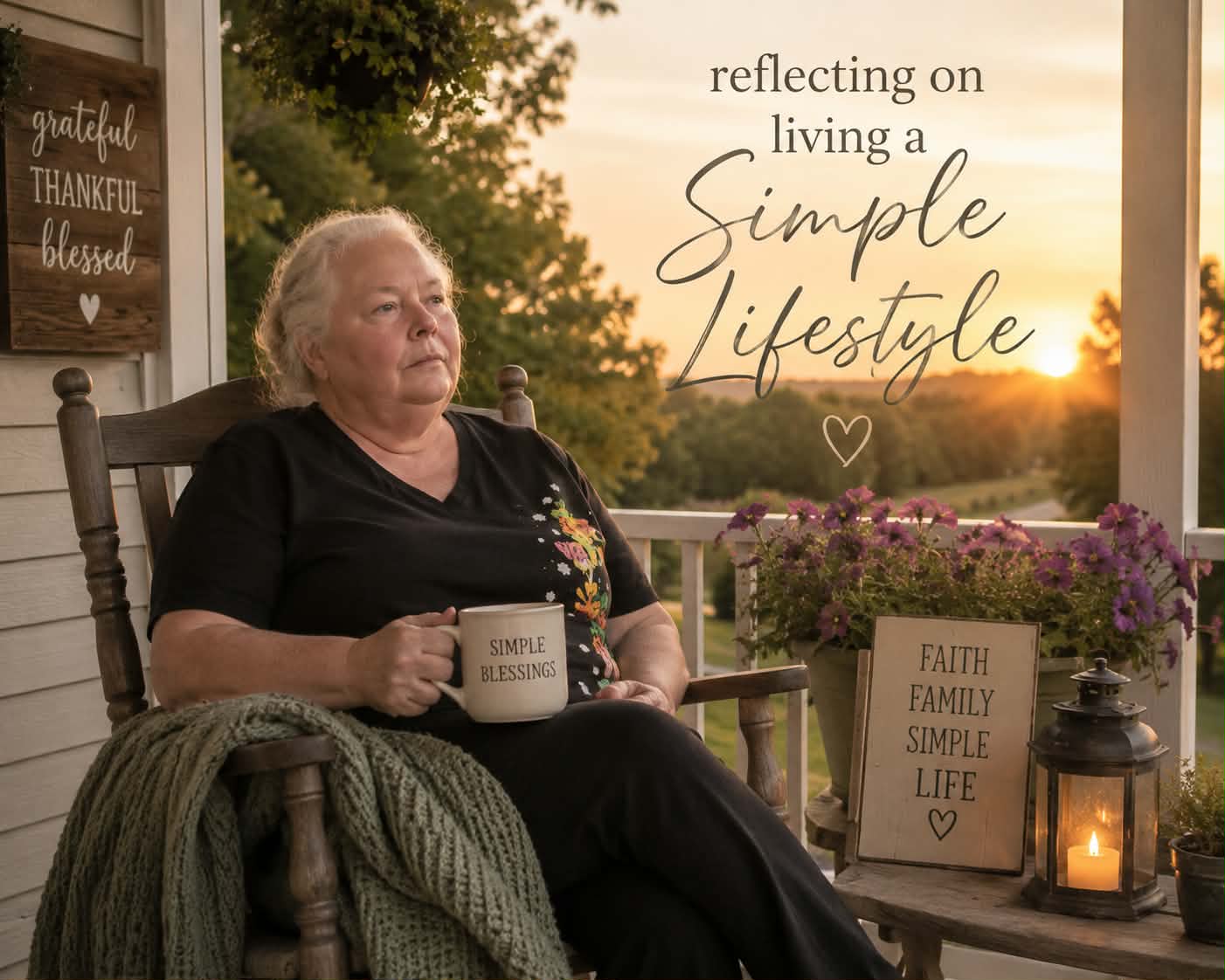
Life has changed as I’ve grown up when I was a child everyone seemed to celebrate Halloween or Thanksgiving. I don’t remember ever hearing abouut Harvest Festivials. Then when Suzzane was growing up things began to change. When my best friends little girls was small they always celebrated #Harvest not Halloween but my family did Halloween not Harvest.
With Charlie getting older and deciding Halloween isn’t something he wants to celebrate but he does because he know David and I love it so much. This year I’ve decide we will do more with Harvest so Charlie has something to celebrate as well with David and I. One thing I wanted to make clear is Harvest isn’t Thanksgiving. It isn’t Halloween. And it isn’t just pumpkins.
Harvest is its own season — a time when gardens, farms and fields begin giving back what has been planted, tended and patiently grown. When I think about harvest, I think about gathering. Gathering vegetables from a garden. Gathering crops from a field. Gathering the last things that have grown before the season changes. Gathering together around a table to enjoy something that started as a seed months earlier.
And as a homeschool mom, I discovered that harvest gives us a wonderful opportunity to turn something happening all around us into a lesson. Welcome to our Harvest Cornerstone at Greatful Moments. This is where we’ll gather harvest activities, homeschool ideas, recipes, books, family fun and simple ways to learn more about where our food comes from.
I thought I would begin with sharing what harvest is. The word harvest simply refers to the process of gathering crops when they are ready. That sounds simple, but there is a whole story behind that basket of vegetables or that truckload of grain. Before there is a harvest, there is: Planting → Growing → Tending → Waiting → Harvesting
Farmers and gardeners have to pay attention to weather, soil, water, sunlight, pests and the needs of individual plants. And then comes the exciting part — gathering what has grown. Harvest can mean different things in different places. One community may be harvesting corn. Another may be bringing in cotton. Someone else may be harvesting grapes, wheat, rice, potatoes, apples or vegetables from a garden. There isn’t one “harvest food.” There isn’t one “harvest celebration.” Harvest is about gathering what has been grown.
One of my favorite things about homeschooling was realizing that almost anything could become a lesson. Harvest is perfect for that. Instead of simply telling your child about harvest, choose one crop and follow it from the field to your table.
Pick a Crop: Choose something your family eats. Corn is an easy one, but you could also choose:
- Wheat
- Potatoes
- Rice
- Cotton
- Grapes
- Tomatoes
- Carrots
- Peanuts
- Sunflowers
- Soybeans
Then investigate!
Have your child answer these questions:
1. Where is it grown? Find the major growing regions on a map. 2. When is it planted? Find out when farmers usually put the crop in the ground. 3. How does it grow? Does it grow on a tree, vine, bush or underground? 4. When is it harvested? What tells a farmer that the crop is ready? 5. How is it harvested? Is it picked by hand or harvested with machinery? 6. What happens next? Does it go to a processing plant, grocery store, market, mill or somewhere else? 7. What products are made from it?
This is where the lesson can get really interesting. A child may be surprised by all the things that begin with a crop they thought they knew.
Here’s where you can make the harvest lesson even more fun.
Suppose you have a basket of tomatoes.
Have your child:
- Estimate how many tomatoes are in the basket.
- Count them.
- Weigh them.
- Sort them by size.
- Measure the largest and smallest.
- Find the average weight.
- Create a simple graph.
Older students can research how many pounds of a particular crop are produced per acre and calculate how much would come from several acres. Suddenly, harvest has become math.
Here’s another activity I love because it doesn’t require a farm visit.
Choose one food from your kitchen. Now trace its journey.
Where did it begin? ↓ How was it grown? ↓ When was it harvested? ↓ How was it transported? ↓ How did it become the food sitting in your kitchen? ↓ How did it get to your table?
This is a great conversation starter for younger children and can become a much deeper research project for older students.
Make a Harvest Basket: You don’t need fancy craft supplies for this one. Grab a basket, box or reusable shopping bag. Have everyone in the family choose a food that represents harvest to them.
It might be:
- Corn
- Potatoes
- Green beans
- Carrots
- Grapes
- Sunflowers
- Peanuts
- Wheat products
- Fresh herbs
- Something from your own garden
Put everything together and talk about where each item came from. For younger children, you can have them draw pictures of the foods. For older children, have them research each item’s growing season. It’s a simple activity that can turn a kitchen table into a geography lesson.
Five Simple Harvest Activities
You don’t have to live on a farm to enjoy harvest season.
1. Visit a Farmers Market– Look at what is being sold and ask: What’s in season right now? 2. Plant Something– Even if you only have a container or small patio garden, plant something you can eventually harvest. Watching something grow makes the idea of harvest much more meaningful. 3. Save Some Seeds: Save seeds from something appropriate for planting and learn what those seeds need to grow. 4. Have a Harvest Scavenger Hunt
Look for things such as:
- Something that grows underground
- Something that grows on a vine
- Something with seeds
- Something that grows on a tree
- Something that is harvested by hand
- Something harvested by machine
5. Follow One Food– Pick one food from your dinner and see how much you can learn about its journey from farm to table.
A Simple Harvest Recipe- Easy Harvest Cornbread
Corn is one of those foods that makes a wonderful harvest lesson because you can talk about the crop, how it grows, how it is harvested and how it eventually becomes something we eat. And then you get to eat your lesson!
Ingredients
- 1 cup cornmeal
- 1 cup all-purpose flour
- 1 tablespoon baking powder
- 1/4 cup sugar
- 1/2 teaspoon salt
- 1 cup milk
- 1/3 cup vegetable oil
- 1 large egg
- 1 cup corn kernels, fresh, frozen and thawed, or canned and drained
Directions
- Preheat the oven to 400°F.
- Grease an 8-inch square baking pan.
- In a large bowl, combine the cornmeal, flour, baking powder, sugar and salt.
- In another bowl, whisk together the milk, oil and egg.
- Pour the wet ingredients into the dry ingredients and stir just until combined.
- Fold in the corn kernels.
- Pour the batter into the prepared pan.
- Bake for approximately 20–25 minutes, or until the top is golden and a toothpick inserted in the center comes out clean.
- Let it cool slightly before slicing.
Serve it warm alongside your favorite family meal.
Harvest Kitchen Tip- Before eating, ask the kids: “How many steps did that corn have to take before it became part of our dinner?” That’s another lesson hiding right there.
Harvest Reading Books are another easy way to bring the season into your home. We’ve already gathered some of our favorite harvest books here on Greatful Moments, so if you’re looking for harvest-themed reading, that’s a great place to start. And don’t forget that harvest can also be a jumping-off point for books about:
- Farms
- Gardens
- Seeds
- Plants
- Farmers
- Food
- Agriculture
- Nature
You don’t have to read a book specifically labeled “Harvest” to learn about harvest.
Harvest Around the World– One of the things I love about harvest is realizing how different it can look from one part of the world to another. People harvest: Rice, Wheat, Corn, Grapes, Olives, Potatoes, Cotton, Fruit, Vegetables, Nuts And so much more. The crops change. The weather changes. The tools change. The traditions change. But the basic idea remains the same: Something was planted, something grew, and eventually it was time to gather it.
I wanted to remind you Harvest doesn’t happen overnight This may be my favorite harvest lesson of all. We tend to notice the harvest because that’s when the results are visible. But we don’t always see everything that came before it. The planting. The watering. The work. The waiting. The weather. The setbacks. The patience. Then, finally, the gathering.
Homeschooling taught me something similar. Sometimes you work on something with your child for weeks or months and wonder if they are really getting it. Then one day, something clicks. They read the word. They solve the problem. They understand the concept. They make the connection. And you realize that the learning was happening all along. You just couldn’t see the harvest yet.
This year, choose something your family can grow, learn about or experience together. It doesn’t have to be complicated. Visit a farm. Go to a farmers market. Plant a few seeds. Cook something made from a harvested crop. Research where your favorite food comes from. Or simply take a walk and notice what is growing around you.
Then ask: What are we growing? What are we learning? What are we waiting for? What can we gather? Because sometimes the best part of harvest isn’t what we put in the basket. It’s what we learned while we were waiting for it to grow. We’ll continue adding harvest recipes, homeschool activities, family activities, local harvest experiences and other seasonal ideas here.
So bookmark this page and come back as we gather more Harvest at Greatful Moments.
🌾 My Harvest Investigation
From the field to my table!
Name: __________________________________________
Date: ___________________________________________
My Crop
What crop are you investigating?
Where Does It Grow?
Where is this crop grown?
How Does It Grow?
Does it grow on a tree, vine, bush, stalk, underground, or somewhere else?
When Is It Harvested?
How Is It Harvested?
Is it picked by hand or harvested with machinery?
What Happens Next?
Where does the crop go after it is harvested?
From Harvest to Table
Draw or describe the journey of your crop.
Something I Learned
The harvest doesn’t happen overnight. There’s a whole story between the seed and the table!
GreatfulMoments.com
Harvest Cornbread
A simple harvest-inspired recipe for the family table
Ingredients
- 1 cup cornmeal
- 1 cup all-purpose flour
- 1 tablespoon baking powder
- 1/4 cup sugar
- 1/2 teaspoon salt
- 1 cup milk
- 1/3 cup vegetable oil
- 1 large egg
- 1 cup corn kernels, fresh, frozen and thawed, or canned and drained
Directions
- Preheat oven to 400°F.
- Grease an 8-inch square baking pan.
- Combine cornmeal, flour, baking powder, sugar and salt.
- In another bowl, whisk together milk, oil and egg.
- Stir the wet ingredients into the dry ingredients just until combined.
- Fold in the corn kernels.
- Pour into the prepared pan.
- Bake for 20–25 minutes, or until golden and a toothpick comes out clean.
- Cool slightly before slicing.
Before you eat, ask: “How many steps did that corn take before it became part of our dinner?”
GreatfulMoments.com
Grateful, Thankful, and Blessed.
Grateful, Thankful, and Blessed.
— Glenda Cates
GreatfulMoments.com